All services

Custom product engineering

Web Applications

Custom browser-based tools for booking, portals, dashboards, and internal workflows—planned around real users, permissions, data, and decisions.

Plan
Behavior before screens
Build
Real product states
Prove
Testing and QA
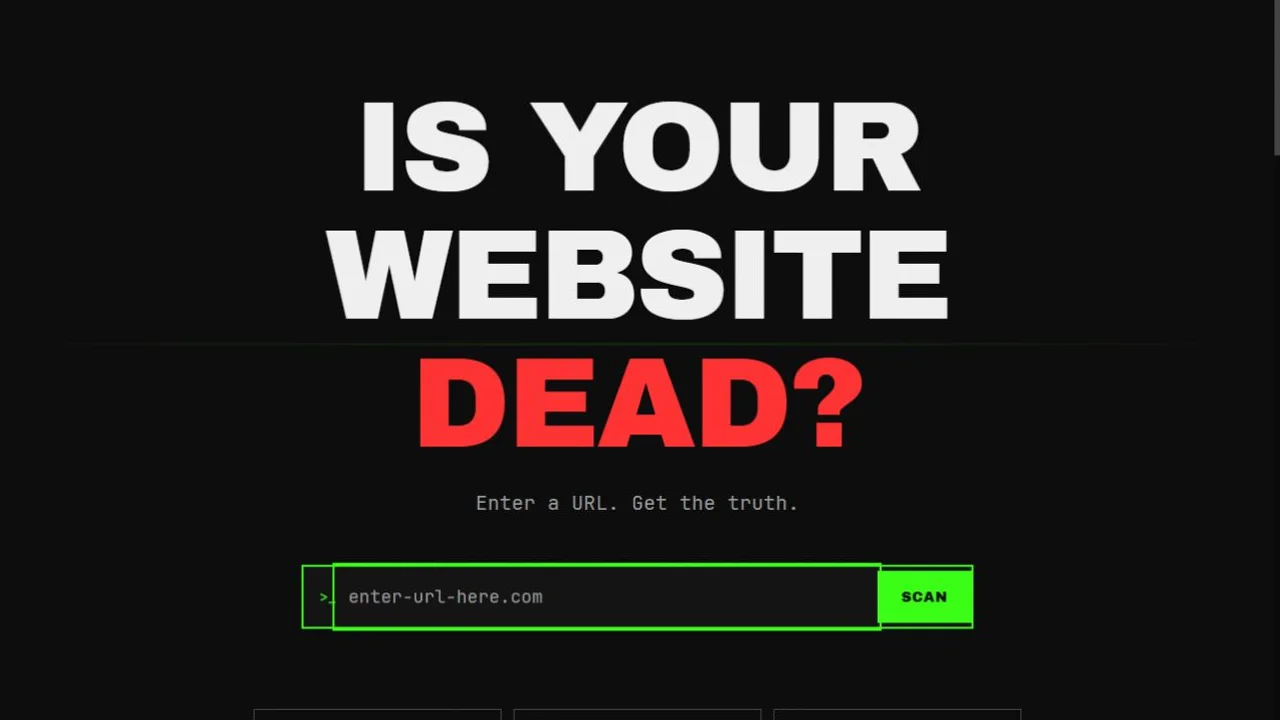
Product proof · 01Site Autopsy
Site Autopsy website diagnostic interface0–100Ghost Score41checks
Built product41 checks · 4 categoriesPlain-English diagnostics · shareable results
View case study

Turn repeated work into a purpose-built tool.

Some business problems need more than an informational website. A booking flow, customer portal, internal dashboard, or approval system has users, states, permissions, and decisions that need to be planned as a product.

I map the workflow first, then choose the interface, data model, authentication, integrations, and hosting that fit the job. React, TypeScript, serverless functions, Firebase, and PostgreSQL are possible tools—not a compulsory stack.

The first release is scoped around the smallest complete workflow that creates real value. That makes testing, operating cost, permissions, failure states, and later expansion visible before complexity becomes expensive.

Written into the proposal

Know what is included before the work begins.

These are common capabilities, not a compulsory package. We choose what supports the agreed outcome, then record the deliverables, responsibilities, ownership, and handoff in writing.

Before the build
Exact deliverables and responsibilities
At handoff
Ownership, accounts, and support route
  1. Booking & scheduling systems
  2. Customer portals
  3. Admin dashboards
  4. Database integration
  5. User authentication
  6. Real-time updates

Straight answers before anything is scoped.

These are the questions clients usually raise about this kind of work. If your situation is different, ask it directly—there is no sales sequence or account-manager handoff.

Ask a different question
What kind of web applications can you build?

Good candidates include booking systems, customer portals, approval workflows, admin dashboards, inventory tools, and focused internal systems. I first confirm the users, permissions, information, integrations, and failure conditions so the proposed application solves a defined job rather than collecting features.

How long does a web application take to build?

The schedule depends on workflow depth, roles and permissions, integrations, data migration, security, and testing. After discovery, I separate the first useful release from later enhancements and provide a written schedule for that scope.

What technologies do you use?

I commonly use React with Node.js or serverless functions, and choose storage such as Firebase or PostgreSQL according to the product. TypeScript is my default when it improves reliability and maintainability, but the architecture follows the job rather than a fixed stack.

A practical first conversation

Ready to talk about Web Applications?

Tell me what your business needs. I'll give you a straight answer on whether I can help.